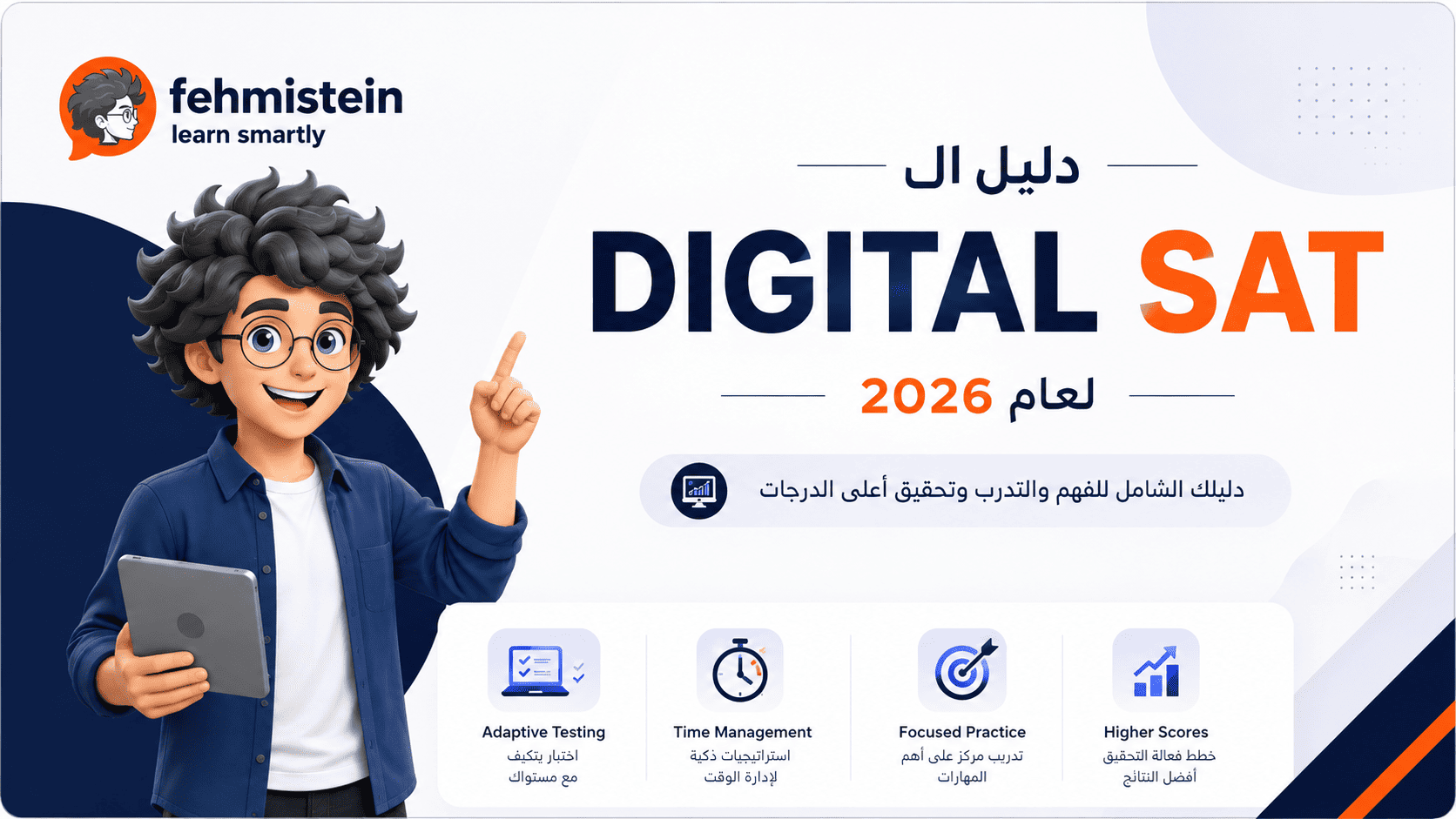
Digital SAT 2026: Everything That Has Changed and How to Prepare for Success in the New Digital Format
Discover the Key Differences Between the Old Paper SAT and the Digital SAT 2026: Major Changes in Structure, Timing, and Questions — with Practical Tips from Fehmistein to Prepare Smartly and Achieve an Outstanding Score
Introduction: Why Your Old Preparation Is No Longer Enough
If you are preparing for the SAT this year using the same methods students used in the past, you are preparing for a test that no longer exists. With the full transition to the Digital SAT, not only has the delivery format changed, but also the required skills, solving strategies, and even the tools you will use during the exam.
If you are planning to apply to international universities this year, it is essential to understand how this test has evolved into a faster and more intelligent experience. In this article from Fehmistein, we explore the fundamental differences between the two formats and how you can use these changes to your advantage.
What Is the Digital SAT?
The Digital SAT is the official computer-based version administered by College Board through the Bluebook application on your laptop or tablet. However, it is not just a digital copy of the paper test—it is built around adaptive testing, making it fundamentally different from previous versions.
Key Differences Between the Paper SAT and Digital SAT 2026
1. Time: One Hour Shorter
The old paper SAT lasted about 3 hours, while the Digital SAT takes only around 2 hours. This reduction comes from smarter question design, not reduced content.
2. Question Style: From Fixed to Adaptive
Previously, all students received the same questions. In the Digital SAT, each section (Math and Reading & Writing) is divided into two modules. The difficulty of the second module depends on your performance in the first, allowing for more precise assessment.
3. Passage Length: From Long Texts to Short Excerpts
In the paper SAT, long passages were followed by multiple questions. In the Digital SAT, each question is linked to a short, focused passage, requiring fast comprehension rather than extended reading.
4. Calculator Use: From Restricted to Fully Allowed
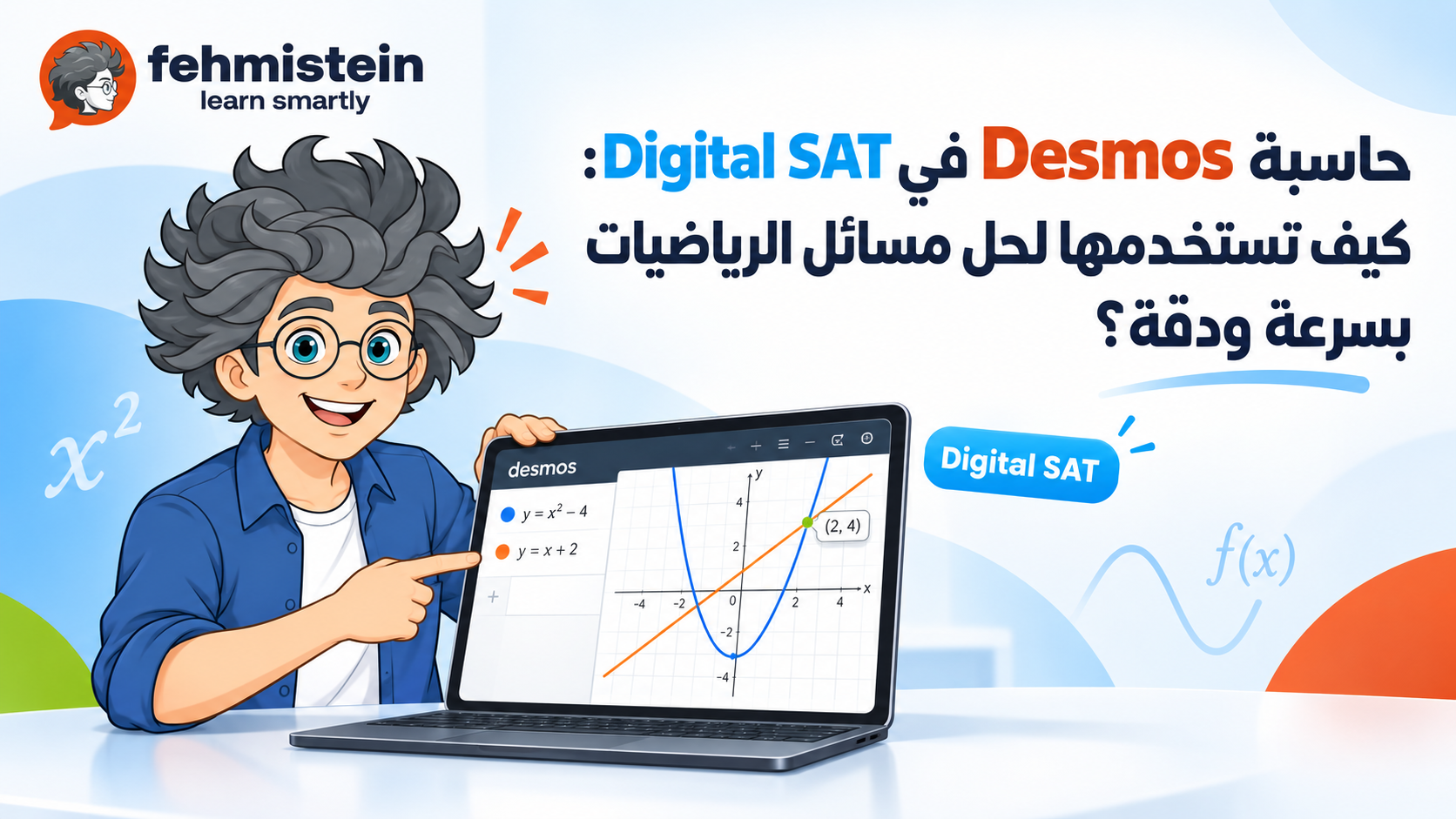
Previously, calculators were only allowed in part of the math section. Now, the built-in Desmos calculator is available throughout the entire math section—a powerful advantage if used effectively.
5. Score Delivery: From Weeks to Days
Paper SAT results used to take weeks. With the Digital SAT, scores are typically released within a few days.
The Most Important Feature: Adaptive Testing
The Digital SAT uses an adaptive system where the difficulty of the second module depends on your performance in the first.
What does this mean in practice?
The first module is critical. Your performance there determines your scoring potential in the second module. Strong focus from the very beginning is essential.
How to Prepare for the Digital SAT 2026 (Fehmistein Tips)
Since the test is fully digital, traditional paper-based preparation is no longer sufficient. Here is how to prepare effectively:
- Master the Desmos calculator: Learning how to use it efficiently can save up to 50% of your time on complex math problems.
- Focus on fast, intensive reading: Each question has its own short passage, so you need instant comprehension skills rather than long reading strategies.
- Simulate the Bluebook environment: Practicing in a similar digital interface helps eliminate technical surprises on test day.
- Manage time from the start: The test is shorter but more time-pressured. Every second matters, especially in the first module.
Why Choose Fehmistein for Digital SAT Preparation?
At Fehmistein, we go beyond teaching content—we build a preparation system aligned with the Digital SAT:
- Modern training tools: Adaptive-style practice through the Tests Page to accurately assess and improve your level.
- Flexible pricing plans: Affordable monthly packages with full access to foundational and advanced materials.
- Deep error analysis: We explain not only the correct answers but also why mistakes happen, ensuring lasting improvement.
- Realistic test simulation: Practice navigating the Bluebook interface, reviewing questions, and using digital tools effectively.
If you have already read our Complete SAT 2026 Guide, this article builds on it by focusing specifically on the digital transformation. You may also benefit from reading "SAT Preparation Requirements: Is Your English Level Enough?".
Frequently Asked Questions About the Digital SAT
- Can I use my own device?
- Yes, you can use your personal device or one provided by the test center, via the official Bluebook app.
- Is the content different from the paper SAT?
- The core skills (reading, writing, math) remain the same, but the structure, delivery, and adaptive format are significantly different.
- Is the Digital SAT easier?
- It is not necessarily easier—just different. While shorter and more streamlined, it requires new strategies and focused preparation.
Start Your Journey with Confidence
The Digital SAT is a real opportunity to achieve higher scores in less time—if you are prepared both technically and academically. Do not leave your success to chance. Join the Fehmistein community and secure your success in the 2026 SAT.
Similar Articles