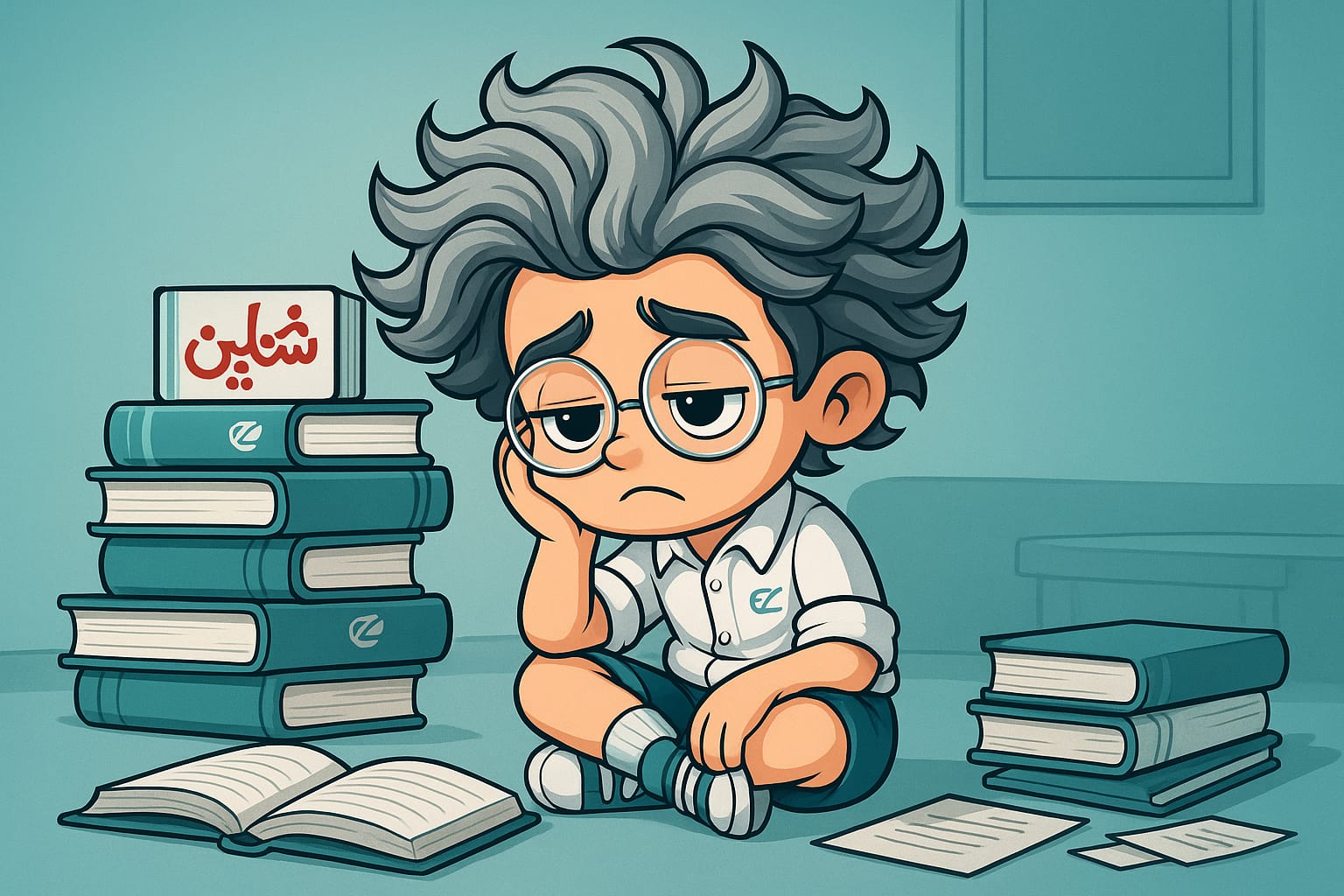
Academic Burnout: Causes, Symptoms, and How to Overcome It | EZ Academy
What Is Academic Burnout?
Learn about its causes and symptoms, how to overcome it, and practical steps to help you restore your focus and energy and improve your academic performance.
Do you feel constantly tired and unable to concentrate even though you are trying hard to study? Has opening a book become difficult after once feeling completely normal? These may be signs of academic burnout, not simply laziness or a lack of willpower.
Academic burnout is a recognized condition that can affect a student’s energy, concentration, and academic performance, especially when academic pressure continues for long periods without sufficient rest. It is commonly associated with physical, mental, and emotional exhaustion caused by ongoing academic demands.search.shamaa+١
In this article, you will learn what academic burnout is, its symptoms and causes, how to distinguish it from laziness, and the most practical steps for dealing with it and restoring your energy and focus.
What Is Academic Burnout?
Academic burnout is a state of physical, mental, and emotional exhaustion caused by continuous pressure related to studying and academic responsibilities.
It does not usually happen suddenly. Instead, it gradually builds up when a student continues pushing themselves without taking sufficient breaks or organizing their time and energy properly.
Academic burnout does not necessarily indicate that a student is weak or unmotivated. It may be a sign that the current study method is placing more pressure on the student than they can sustain over a long period.
Understanding this condition correctly is the first step toward dealing with it in a more balanced and sustainable way.
Symptoms of Academic Burnout
Recognizing the early symptoms of academic burnout can help you deal with them before they have a greater effect on your studies and daily life.
Common symptoms may include:
- Constant tiredness and exhaustion.
- Loss of enthusiasm and motivation toward studying.
- Difficulty concentrating for long periods.
- Feeling that studying has become a heavy or exhausting task.
- Declining academic performance despite continued effort.
- Forgetting information that you previously knew well.
- Making simple and repeated mistakes.
- Feeling frustrated or pessimistic about your academic future.
- Needing more time to complete ordinary academic tasks.
- Feeling stressed or anxious when thinking about studying or exams.
If these feelings become frequent and begin to affect your daily life, it is important not to ignore them or dismiss them as simple laziness.
Causes of Academic Burnout
Understanding the root causes of academic burnout can help you prevent it and deal with it more effectively.
Studying for Long Hours Without Rest
Studying continuously for long periods without regular breaks can reduce concentration and increase exhaustion. Study quality does not depend only on the number of hours studied, but also on your ability to maintain focus during those hours.
Pressure to Achieve Perfect Scores
Some students set extremely high standards for themselves and feel that any result below a perfect score means failure. This constant pressure can turn studying into a source of anxiety instead of a way to learn and grow.
Constant Comparison with Others
Repeatedly comparing your level and grades with those of your classmates can increase stress and dissatisfaction, especially when you focus on other people’s results and ignore your own progress.
Poor Time Management
When a student does not have a clear plan for daily tasks, assignments, revision, and tests may begin to accumulate. This can create the feeling that there is an endless amount of work to complete.
Neglecting Rest and Hobbies
Rest and enjoyable activities are not a waste of time. Taking time away from studying helps restore your energy and maintain your ability to continue.
To learn more about effective time management for study and international exams, read Time Is Not Your Enemy in International Exams: How to Manage Your Time in IELTS, TOEFL, and SAT.
Academic Burnout vs. Laziness
Some students confuse academic burnout with laziness, but they are not the same thing.
Laziness may be a temporary lack of desire to complete a particular task. Academic burnout, however, is usually connected to accumulated exhaustion and pressure. It may also involve loss of motivation, difficulty concentrating, and persistent tiredness.
If you find yourself unable to study even though you genuinely want to achieve your goals, or if tiredness and lack of motivation continue for a long period, it is better to evaluate your study habits and stress level instead of constantly blaming yourself.
How to Overcome Academic Burnout
Recovering from academic burnout does not necessarily mean stopping your studies completely. It means reorganizing the way you study and work in a more intelligent and sustainable way.
1. Schedule Real Rest
Set aside part of your day for rest and activities you enjoy. These may include:
- Practicing a hobby.
- Going for a walk.
- Spending time with family or friends.
- Taking part in any activity that temporarily removes you from academic pressure.
Rest is not a luxury. It is part of maintaining your ability to study and continue over the long term.
2. Organize Your Study Sessions
You can try the Pomodoro Technique, which involves studying with focus for 25 minutes and then taking a short five-minute break. You can repeat the cycle according to your needs.
The important point is not to follow these numbers rigidly. The goal is to divide studying into short, focused sessions separated by appropriate breaks.
3. Listen to Your Body and Mind
When you experience severe distraction, repeated exhaustion, or constant stress, do not ignore these signals.
Sometimes the best solution is to take a real break instead of moving directly from one subject to another while remaining exhausted.
4. Set Realistic Goals
Impossible or exaggerated goals may increase pressure instead of motivating you.
Break large goals into achievable steps, such as:
- Completing one chapter.
- Solving a specific number of questions.
- Reviewing one topic during a study session.
5. Ask for Support When Necessary
Talking to teachers, family members, or friends when you feel overwhelmed does not mean that you are weak.
The right support can help you view the problem from a different perspective and create a more realistic plan for dealing with it.
If you are experiencing pressure specifically related to international exams, read Why Do Smart Students Lose High Scores in IELTS and TOEFL Despite Long Preparation?.
Academic Burnout and Test Performance
Many students experiencing academic burnout respond by studying even more because they assume their exhaustion is caused by a lack of effort.
However, increasing study hours without addressing the causes of exhaustion may make the problem worse. When a student is exhausted, their ability to concentrate, understand information, and recall it may be affected.
Effective studying therefore does not depend only on the number of hours. It depends on a balance between concentration, rest, and time management.
If you are preparing for international exams such as IELTS or TOEFL and feel that exhaustion is affecting your progress, read When Is Your Level Suitable for Moving from Language Learning to IELTS and TOEFL Preparation? to learn how to build a more sustainable preparation path.
Academic Burnout Among Scholarship Applicants
Students preparing to apply for international scholarships may face additional pressure, including:
- Improving their academic grades.
- Developing their English level.
- Preparing for standardized tests.
- Building a strong university application.
When these tasks accumulate without a clear plan, students may feel that they are expected to accomplish everything at the same time.
Early planning and distributing tasks over an appropriate period can reduce pressure and prevent work from accumulating during the final weeks or months.
A student who begins preparing early has more time for revision, rest, and dealing with unexpected delays or difficulties.
To learn when you should begin preparing for scholarships, read When Should You Start Preparing for University Scholarships?.
Daily Habits That Protect You from Burnout
Preventing academic burnout does not require radical changes to your life. It depends on several small habits that help you maintain better balance.
Maintain a Regular Sleep Schedule
Getting enough regular sleep helps you maintain concentration and energy during the day. It also gives your body and mind an opportunity to recover.
Stay Physically Active
Even simple physical activity, such as taking a short walk, can help break the study routine and provide a break from sitting for long periods.
Plan Your Week
Create a weekly plan that includes studying, rest, and personal responsibilities. When you know what needs to be done, it becomes easier to manage your tasks instead of feeling that they are accumulating endlessly.
Reduce Comparisons with Others
Other people’s results are not an accurate measure of your progress. Focus on how much you have improved compared with your previous level, and set goals that match your circumstances and abilities.
Preserve Time Away from Studying
Having time for rest, hobbies, family, and friends helps you maintain a healthy balance and prevents studying from becoming the only activity in your day.
If you want to build healthy and sustainable learning habits, read How to Become a Successful Language Learner: Proven Habits for Improving English.
When Should You Seek Additional Help?
Some students may be able to manage academic pressure by organizing their time, reducing their workload, and taking appropriate breaks.
However, if exhaustion or loss of motivation continues for a long period, or begins to affect your studies and daily life significantly, it is important not to ignore the situation.
You can talk to someone you trust, such as:
- A family member.
- A teacher.
- A school counselor.
- Another qualified support professional.
Taking care of yourself and asking for help when necessary is not a sign of failure. It is part of dealing responsibly with pressure.
Frequently Asked Questions
What is academic burnout?
Academic burnout is a state of physical, mental, and emotional exhaustion caused by continuous academic pressure. It can affect concentration, motivation, and academic performance.
What are the symptoms of academic burnout?
Common symptoms include constant tiredness, loss of motivation to study, difficulty concentrating, frustration, declining academic performance, and stress when thinking about studying.
What causes academic burnout?
Academic burnout may result from studying for long hours without rest, pressure to achieve high grades, poor time management, constant comparison with others, insufficient sleep, and a lack of rest or enjoyable activities.
How can I overcome academic burnout?
You can begin by reducing academic pressure, organizing your time, taking regular breaks, getting enough sleep, setting realistic goals, and asking trusted people for support when necessary.
Is academic burnout simply laziness?
No. Academic burnout is not simply laziness. It is usually associated with accumulated academic pressure, exhaustion, and loss of motivation and concentration. It is important to understand the cause of these feelings rather than blaming yourself or considering them a lack of willpower.
How long does recovery from academic burnout take?
Recovery time differs from one student to another depending on the severity of the pressure and the factors contributing to it.
Some students may need a short period of rest and changes to their study routine, while others may need more time and additional support.
Should I stop studying completely when I feel burned out?
Not necessarily. However, it is important to reduce pressure and redistribute your study and rest time.
Short, focused study sessions with appropriate breaks may be more effective than long study periods while you are exhausted.
Can academic burnout affect international exams such as IELTS and TOEFL?
Persistent exhaustion and pressure can affect concentration, motivation, and your ability to handle academic tasks and exams effectively.
Therefore, it is important to maintain an appropriate balance between preparation and rest while studying for these exams.
Conclusion: Success Should Not Come at the Cost of Your Well-Being
Academic burnout is not something to be ashamed of or ignored. It is a signal that deserves attention and a thoughtful response.
True academic success does not depend on studying continuously without stopping. It depends on managing your time, energy, and rest in a way that allows you to continue over the long term.
A student who understands and respects their limits and organizes their study path realistically is better prepared to face challenges and achieve academic goals consistently.
Start today by evaluating your study routine, identifying your most important tasks, and adding real rest time to your schedule. Building balanced study habits will not only improve your performance but also help you continue working toward your goals.
To learn more about learning methods, test preparation, and building an organized academic path, visit the specialized EZ Academy platform.
Similar Articles